
Watchful Baker Press
Once Upon A Time Is Now
Outward-Bound
“Not all those who wander are lost.”
-J.R.R. Tolkien
“Our battered suitcases were piled on the sidewalk again; we had longer ways to go. But no matter, the road is life.”
-Jack Kerouac
“Perhaps travel cannot prevent bigotry, but by demonstrating that all peoples cry, laugh, eat, worry, and die, it can introduce the idea that if we try and understand each other, we may even become friends.”
-Maya Angelou
“Two roads diverged in a wood and I – I took the one less traveled by.”
-Robert Frost
“We travel, some of us forever, to seek other states, other lives, other souls.”
-Anaïs Nin
“If adventures will not befall a young lady in her own village she must seek them abroad.”
-Jane Austin
“Not till we are lost do we begin to find ourselves.”
-Henry David Thoreau
“Please be a traveler, not a tourist.
-Andrew Zimmern
Preamble
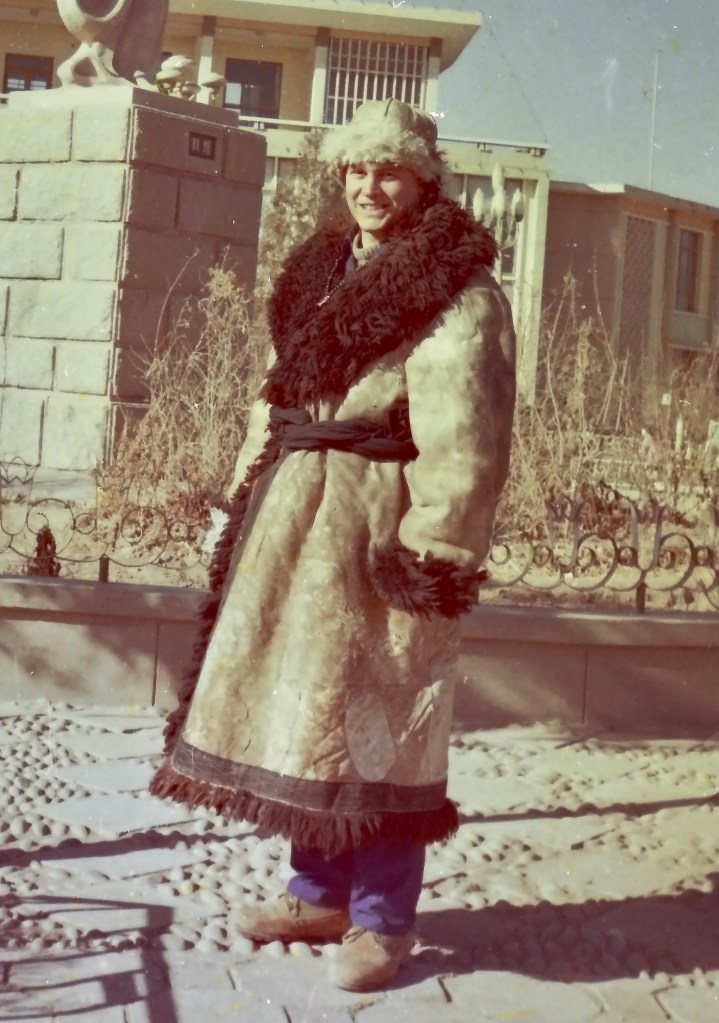
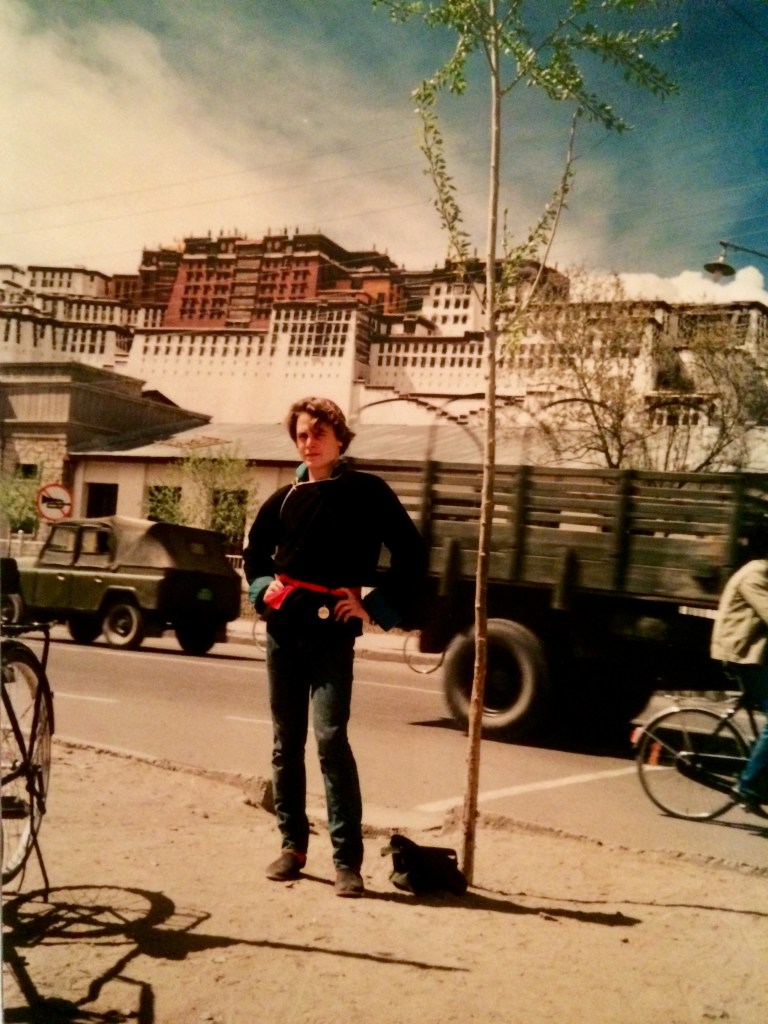
Presenting 24 short stories in a series which, in their entirety, will be entitled PRELUDES. They are actual accounts of my travels and the experiences that accompanied them, over several decades, primarily in the 1980s and 1990s.
Although the 1980s were just a few decades ago, the experience of solo travel differed completely from the time we’re living in.
Imagine a world where there was no internet, no tablets, laptops, social media, or GPS …
For budget backpackers traveling overseas, the only way to make a call home was going to a post office, or a licensed phone center. If you could find one, you’d have to place a request, often wait a long time for the staff to put the call through, then be ushered into a phone booth for a couple of minutes with your family or friends passing the phone around for a quick hello. It was very expensive and calling collect was even more so for those back home. Of course, there wasn’t any email. The only way to let friends and family know your whereabouts and what you were doing was to write a postcard. Receiving correspondence was much more difficult. First, you would inform whoever was back home where your next major destination would be. Usually a month in advance then, ask them to send mail to you at that city’s central post office. Your address would simply be your name and the words Poste Restante written on the envelope, together with the name of the city and country. Upon arriving there and hunting down the Central Post Office, eventually someone would direct to the window for Held Mail. Once in a while, the clerk would get it for you but, more likely, tell you to search for it yourself in open top desk files, where you would flip through hundreds and hundreds of postcards and letters. They were rarely alphabetized, so, in order to be sure you weren’t missing anything, you’d have to go through every single letter or postcard in the bins. Finding mail for yourself was like winning the jackpot. Any letters or postcards received were read over and over and really meant something. In those days, in terms of contact with life back home, that was it. All photos or slides were on 35 mm film. Nobody, including yourself, got to see them until you got home.
During the 1980s, except for Tony Wheeler’s Lonely Planet series, there weren’t many off-the-beaten-track travel books. Mostly, the only way to get information was to search out fellow back packers and exchange travel tips on where to visit and stay. And also, most importantly, what to avoid! The face to face, human bonds one would forge in momentary meetings in a hostel, a long-distance bus ride, or a teashop, and the travel advice you’d scribble on a piece of paper or the margin of a book, would sometimes have the impact of changing one’s destiny and often, forever one’s outlook on life.
With the emphasis of modern travel having been reduced to posting on social media, the joy of real adventure has been obscured by the plethora of websites and influencers, telling and showing all before we even get on the airplane. The experience and self-discovery of traveling, which was an education to and of itself, nowadays, has been diminished and, in the packaged tour industry, almost eliminated.
Solo, off-the-beaten-track budget traveling pulls one out of the comfort zone, and can catalyze a spirit of individuality. By not having contact with friends and family, one can more readily conceive a relationship with the Self. Nurturing the concept of one’s singleness has the potential to usher in an awareness of the significant part we play in the greater whole.
After telling and retelling these stories for many years, I grew weary of being scolded by my mother and friends for not writing them down. So, now that life is settling in on me, I’m making it a point to, as my dear friend and mentor from Greenwich Village in New York City, Jean Murai, repeatedly admonished me, “Don’t go further, go deeper! Write them down. Don’t let these stories die with you!”
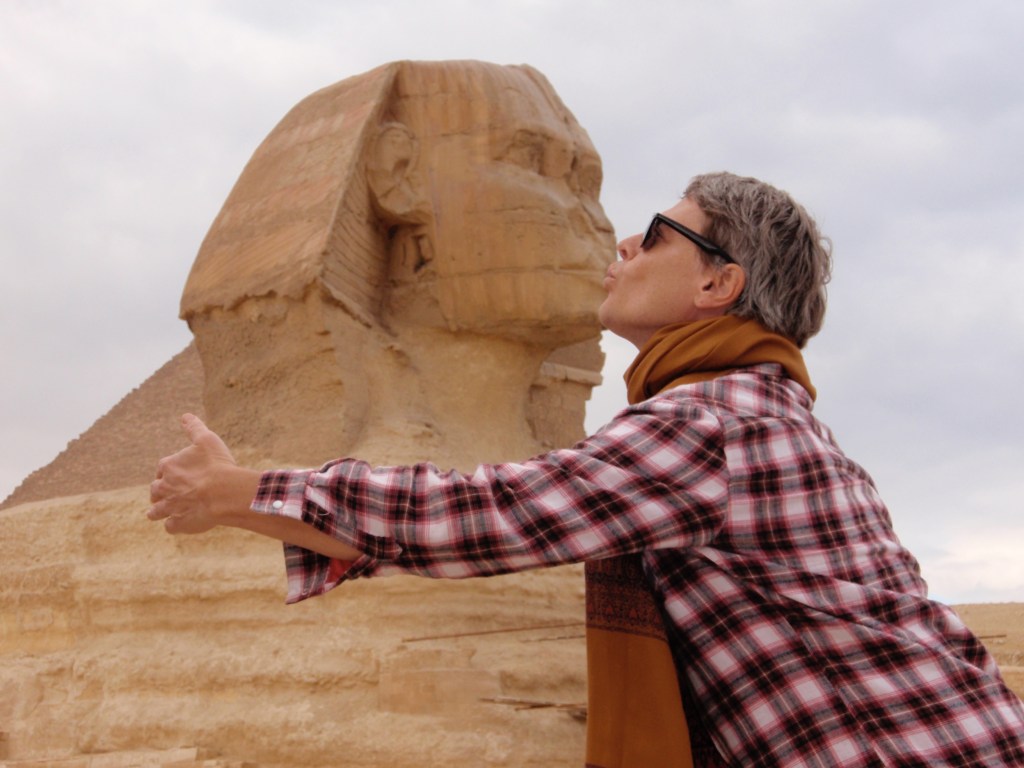
I hope you find them enjoyable and, hopefully, invoke a little inspiration that will take you on an unplugged adventure yourselves.
The Prelude
noun
pre· lude, ˈprel-ˌyüdˈ, prāl-; ˈpre-ˌlüd ˈprā-; also ˈprē-ˌlüd
1
: an introductory performance, action, or event preceding and preparing for the principal or a more important matter
2
a
: a musical section or movement introducing the theme or chief subject (as of a fugue or suite) or serving as an introduction to an opera or oratorio
b
: an opening voluntary
c
: a separate concert piece usually for piano or orchestra and based entirely on a short motif
d
: the introductory part of a poem or other literary work
It is the author’s heartfelt wish for these ensuing Preludes to serve as nothing more than the opening of a curtain or, like the tap of a conductor’s baton, commence greater and more far-reaching works of experience and life, which the reader will self induce and self devise for themselves.
All material whether written or photographs on this website have Copyright and are registered with the Copyright Office in Washington D.C. Individuals are permitted to use excerpts and/or photos for their personal use and enjoyment only. Any republication or use for profit of any sort must ask for permission from Watchful Baker Press LLC prior to any use.

 Watchful Baker Press